
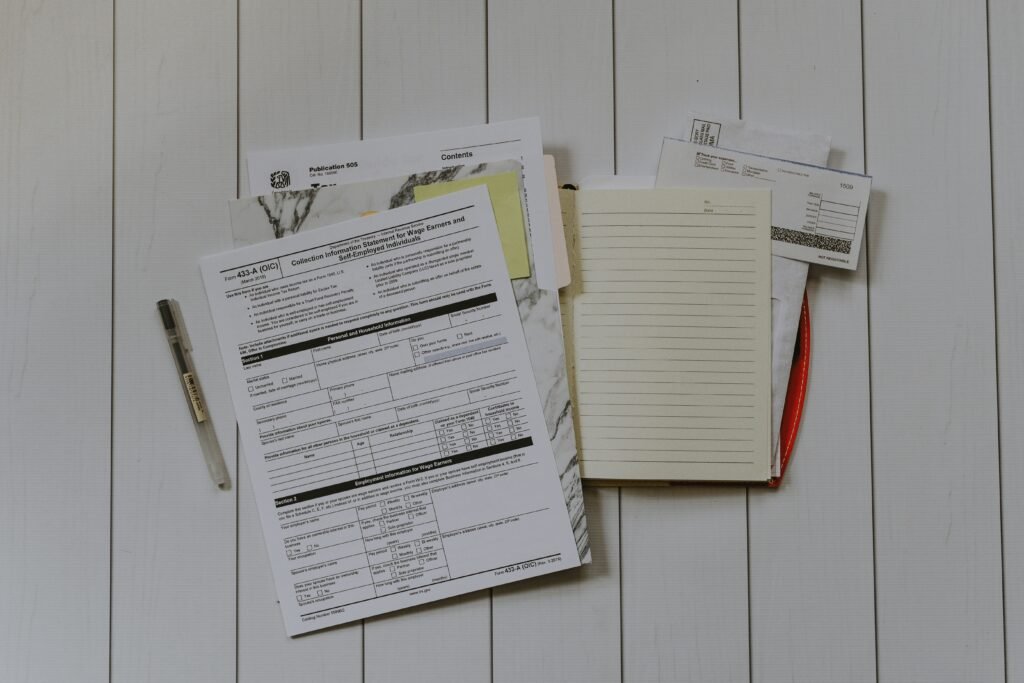
Being served with legal papers means that documents connected to a court case or legal proceeding have been formally delivered to you. The papers may notify you that a lawsuit has been filed, require you to respond to allegations, order you to attend a hearing, or demand that you provide testimony or evidence.
Receiving legal papers does not automatically mean you have lost a case or done something wrong. It does mean that a legal process may have begun and that important deadlines could already be running.
Ignoring the documents can result in serious consequences. Depending on the proceeding, the court could enter a default judgment, issue orders without hearing your position, permit collection activity, or impose other penalties.
Your first steps should be to identify what you received, record when and how you received it, read every page, preserve relevant evidence, and determine the correct response deadline.
What Does It Mean to Be Served?
“Service of process” is the formal procedure used to provide a person or organization with notice of a legal action.
Proper service is important because courts generally must provide parties with adequate notice and an opportunity to respond before making decisions that affect their rights. Service also creates a record showing when and how the legal papers were delivered.
The documents may be delivered by a process server, sheriff, marshal, another authorized adult, certified mail, publication, electronic means, or another method permitted by the applicable rules.
The person who files the case generally cannot simply choose any method of delivery. The requirements depend on:
- The court handling the case
- The state or federal rules that apply
- The type of proceeding
- Whether the recipient is an individual or organization
- Whether the recipient is located in another state or country
- Whether previous attempts at personal service were unsuccessful
A person should not assume service was invalid simply because the papers were not handed directly to them. Some jurisdictions permit substituted service on another responsible person at a residence or workplace, service by mail, or other court-approved methods.
What Legal Papers Might You Receive?
“Legal papers” is a broad term. The correct response depends on the particular document and proceeding.
Common documents include:
Summons and Complaint
A complaint is the document in which a plaintiff describes the allegations against one or more defendants and asks the court for a legal remedy. The requested relief might include money, return of property, enforcement of a contract, or an order requiring someone to take or stop an action.
A summons is an official notice that identifies the court and parties and explains that the recipient must respond. Under Rule 4 of the Federal Rules of Civil Procedure, a federal summons must state the time within which the defendant must appear and defend and warn that failing to do so may result in a default judgment.
Petition
A petition can begin various proceedings, including divorce, child custody, probate, guardianship, name changes, and certain administrative matters.
The person filing may be called the petitioner, while the recipient may be called the respondent. The terminology and required response vary by proceeding.
Subpoena
A subpoena may require someone to appear and testify, attend a deposition, or produce documents, electronic records, or other evidence.
Receiving a subpoena does not necessarily mean that the recipient has been sued. A witness or business that is not a party to the case may still receive one.
A subpoena should not be ignored. Anyone who receives one should review what a subpoena is and what to do after receiving one before the stated compliance date.
Motion or Notice of Hearing
A motion asks the court to make a particular decision in an existing case. The accompanying papers may identify a hearing date and a deadline for filing written opposition.
The motion might concern temporary orders, discovery, dismissal, enforcement, sanctions, custody, support, or another disputed issue.
Restraining or Protective Order
These papers may impose immediate restrictions and schedule a hearing at which the court will decide whether longer-term orders are appropriate.
The recipient must comply with any temporary order while it remains effective, even if the recipient believes the allegations are inaccurate. Violating a court order can lead to serious legal consequences.
This guide explaining what a court order is and what happens if you violate one provides additional information.
Eviction Papers
Eviction proceedings often have accelerated response periods. The documents may include an eviction complaint, summons, petition, notice of hearing, or demand for possession.
Because these cases can move quickly, a tenant should not assume the deadline is the same as in an ordinary civil lawsuit.
Debt-Collection Lawsuit
A creditor, debt buyer, or collection company may file a lawsuit seeking an unpaid balance, interest, costs, and attorney fees.
The defendant may have defenses concerning identity, ownership of the debt, payment history, amount claimed, applicable contract, or filing deadline. Ignoring the case can allow the plaintiff to seek a default judgment and potentially pursue legally available collection methods.
What Should You Do Immediately After Being Served?
The safest response is to act promptly and methodically.
Read Every Page
Review the entire packet, including documents that appear repetitive or unimportant. The papers may contain:
- The court’s name and address
- The case number
- The names of the parties
- The allegations
- The relief being requested
- A response deadline
- A hearing date
- Temporary court orders
- Instructions for filing and service
- Exhibits or supporting declarations
- Contact information for the opposing lawyer
Do not rely exclusively on what the process server says. The written documents and applicable court rules control what must happen next.
Record When and How You Received the Papers
Write down:
- The date of delivery
- The approximate time
- The location
- Who delivered the papers
- Who accepted them
- How they were delivered
- Everything that was included in the packet
Keep the envelope if the documents arrived by mail. Save any delivery notice, receipt, email, or other record related to service.
The date of service may determine when the response period begins.
Identify the Deadline
Look for language such as:
- “You must respond within…”
- “A written answer must be filed…”
- “You are ordered to appear…”
- “Opposition must be submitted by…”
- “Failure to respond may result in default…”
Do not assume that every case provides the same amount of time. Deadlines differ between federal and state courts and among civil lawsuits, divorces, evictions, debt cases, restraining orders, small-claims matters, and administrative proceedings.
If the papers do not state a clear deadline, the applicable law and court rules must be checked immediately.
Verify That the Case Is Real
Most served documents are legitimate, but legal-document scams do occur. You can independently locate the court’s official website or phone number and ask the clerk’s office whether the case number exists.
Do not rely on a telephone number, QR code, payment portal, or web address contained in suspicious papers until it has been independently verified.
Court staff can generally provide procedural information, but they cannot tell you what legal strategy to use or how you should respond to the allegations.
Preserve the Papers
Keep the original documents together in a secure place. Scan or photograph every page and create a backup.
Do not write notes on the only copy. Use a separate notebook or duplicate set for highlighting and annotations.
How Long Do You Have to Respond?
The response deadline depends on the jurisdiction, court, type of case, method of service, identity of the party, and document served.
For many ordinary federal civil cases, defendants generally have 21 days after service of the summons and complaint to serve an answer or certain motions. Different periods may apply when service is waived, the United States or a federal official is involved, or a statute establishes another deadline. The United States Courts’ guide to federal civil cases explains these general federal response periods.
State deadlines can be different. Some proceedings, particularly evictions and emergency-order matters, may require action much sooner.
The response period may be calculated from:
- The date of personal delivery
- The date another authorized person received the papers
- The date the documents were mailed
- A specified number of court or calendar days
- The date a waiver of service was requested or filed
- Another event identified by statute or court rule
Rules for weekends, holidays, electronic filing, mailing extensions, and the exclusion or inclusion of the service date can affect the calculation.
Never rely on a general internet answer when determining the deadline in a specific case.
What Are Your Options After Being Served?
The appropriate response depends on the papers and applicable law. Common options in a civil lawsuit may include filing an answer, submitting a motion, negotiating a resolution, challenging service, or taking another action permitted by the court.
File an Answer
An answer is a formal written response to the complaint or petition.
The defendant may admit allegations that are true, deny allegations that are incorrect, or state that there is insufficient information to admit or deny certain statements. The answer may also identify affirmative defenses.
An answer usually must satisfy formatting, filing, signature, service, and fee requirements. Simply sending a letter or email to the plaintiff may not count as a valid court response.
File a Motion
Depending on the circumstances, a defendant may be able to file a motion before answering.
A motion to dismiss might argue that:
- The court lacks jurisdiction
- The venue is improper
- Service was insufficient
- The complaint fails to state a legally recognized claim
- The case is barred by an applicable deadline
- Another procedural or legal defect requires dismissal
Some objections can be waived if they are not raised at the proper time. Filing a motion without understanding these rules can therefore affect later defenses.
Assert Counterclaims
A defendant may have legal claims against the plaintiff arising from the same transaction or from separate events.
Some counterclaims are compulsory, meaning they may be lost if they are not raised in the current case. Others are permissive and may be pursued separately.
A counterclaim may also have its own statute of limitations. The article explaining what a statute of limitations is and how it affects a legal case discusses why these filing periods require prompt attention.
Seek More Time
A party may sometimes ask the opposing lawyer or court for an extension. Whether an extension is permitted depends on the rules and circumstances.
Do not assume that requesting additional time automatically changes the deadline. Unless a valid agreement or court order confirms the extension, the original deadline may remain in effect.
Negotiate a Resolution
Some disputes can be settled without completing a trial. Negotiations might involve payment arrangements, dismissal of claims, return of property, modification of requested relief, mediation, or another compromise.
Settlement discussions generally do not excuse a missed court deadline. A defendant may still need to file a timely response while negotiations continue.
Should You Contact the Other Side’s Lawyer?
Communicating with the plaintiff’s lawyer may sometimes be necessary, but caution is appropriate.
The opposing lawyer represents the other party—not you. Statements made during a conversation or in writing could affect the case.
Before communicating, consider:
- Whether a response deadline is approaching
- Whether insurance coverage may apply
- Whether your employer or organization should handle the matter
- Whether you need legal representation
- Whether the communication might disclose confidential or damaging information
- Whether settlement discussions should be conducted through counsel
Do not threaten, harass, or attempt to intimidate the plaintiff, witnesses, process server, or attorneys. Avoid discussing the dispute publicly or posting about it on social media.
Should You Contact Your Insurance Company?
Some lawsuits may be covered by insurance. Depending on the allegations, potentially relevant coverage might include:
- Homeowners insurance
- Renters insurance
- Automobile insurance
- Commercial general liability insurance
- Professional liability insurance
- Employment-practices coverage
- Directors and officers insurance
- Errors and omissions insurance
- Umbrella coverage
Policies frequently require prompt notice of claims and lawsuits. Delaying notice could create a coverage dispute.
Send the complete set of papers to the insurer using a traceable method and keep proof of delivery. Do not assume that notifying an insurance agent automatically notifies the correct claims department.
The insurer may appoint and pay for a defense lawyer if the claim falls within the policy’s duty to defend. Coverage for legal defense does not necessarily mean the insurer will pay every judgment or settlement.
What Happens If You Ignore the Papers?
Ignoring a properly served lawsuit does not make it disappear.
If a defendant fails to respond, the plaintiff may ask the court to enter a default. A default means the defendant has failed to defend the case as required.
The plaintiff may then seek a default judgment. Depending on the case, the judgment could require:
- Payment of money
- Interest and court costs
- Compliance with an injunction
- Transfer or return of property
- Child support or other family-law relief
- Eviction from a property
- Another remedy authorized by law
A default judgment can lead to enforcement measures permitted in the jurisdiction, potentially including wage garnishment, bank levies, judgment liens, or seizure of nonexempt property.
Rule 55 of the Federal Rules of Civil Procedure governs defaults and default judgments in federal civil cases. State courts have their own procedures.
Default and default judgment may be separate stages. However, relying on the possibility of fixing the problem later is risky.
Can a Default Judgment Be Reversed?
A person may sometimes ask the court to vacate or set aside a default or default judgment, but relief is not guaranteed.
Possible grounds may include:
- Improper service
- Excusable neglect
- Mistake or surprise
- Fraud or misconduct
- Lack of jurisdiction
- Another reason recognized by court rules
The person requesting relief may need to act within a strict period, explain why no timely response was filed, and show a potentially valid defense to the underlying case.
Waiting after discovering a default can make relief more difficult. Anyone who learns that a default has been entered should seek legal guidance immediately.
What If You Believe You Were Not Properly Served?
Improper service may provide a legal objection, but it does not mean the case should be ignored.
The court may still consider whether service complied with applicable law. If service was defective, the plaintiff might be allowed to correct it and serve the papers again.
A person who knows about a lawsuit but believes service was invalid should:
- Preserve evidence showing how the papers arrived
- Avoid making statements that could waive the objection
- Check the court docket
- Determine whether any hearing or response date is pending
- Obtain advice about how and when to raise the issue
Merely telling the plaintiff that service was improper may not preserve the objection. It may need to be raised through a specific filing.
What Evidence Should You Preserve?
As soon as you receive legal papers, preserve information that could relate to the allegations or defenses.
Potential evidence includes:
- Contracts and amendments
- Emails and text messages
- Photographs and videos
- Receipts and invoices
- Medical and employment records
- Bank and payment records
- Insurance policies
- Social media content
- Call logs and voicemails
- Security-camera recordings
- Property records
- Witness names and contact details
- Earlier demand letters or notices
Do not delete, modify, hide, or destroy potentially relevant material. Once litigation has begun or is reasonably anticipated, destroying evidence can lead to sanctions, adverse court rulings, or other consequences.
Businesses may need to suspend routine document-destruction policies and issue an appropriate litigation hold.
Can Someone Else Accept Legal Papers for You?
In some circumstances, yes. Applicable rules may permit service on:
- A responsible adult at the recipient’s home
- An authorized registered agent
- A business officer or managing agent
- A designated government representative
- Another person authorized by law or appointment
Whether service was effective depends on the precise method and governing rules.
Refusing to take papers from a process server does not necessarily prevent valid service. A server may be allowed to leave the documents nearby after identifying them or use another authorized method.
Avoiding service can also increase costs and may prompt the plaintiff to request permission for alternative service.
Does Accepting the Papers Mean You Admit the Allegations?
No. Accepting delivery generally confirms only that the papers were received.
It does not ordinarily mean that the recipient:
- Admits liability
- Agrees with the allegations
- Waives every available defense
- Accepts the amount demanded
- Consents to a judgment
Similarly, waiving formal service in a federal civil case generally avoids the expense of personal service without waiving objections to jurisdiction, venue, or the merits. However, it does waive objections based on the absence of a summons or formal service.
The legal effect of any document should be understood before it is signed.
How Can You Prepare for a Lawyer Consultation?
Bring the entire packet of legal papers, including envelopes and attachments. Also gather information that helps explain the dispute.
Useful items may include:
- A written timeline
- Relevant contracts
- Correspondence with the opposing party
- Insurance policies
- Photographs or recordings
- Payment records
- Names of witnesses
- Prior notices or demands
- Any papers previously filed in the case
- A list of immediate questions
This checklist of documents to bring to a lawyer consultation can help you prepare.
Tell the lawyer exactly when and how the papers were received. Even if you think the deadline has passed, provide the correct dates rather than estimating or changing them.
Frequently Asked Questions
Do I have to respond if the lawsuit is false?
Yes. Believing that the allegations are false does not eliminate the need to respond. The court may not hear your defenses if you ignore the case.
Is a telephone call to the court enough?
No. Calling the clerk generally does not replace a required answer, motion, appearance, or other formal response.
Can I respond by writing a letter to the judge?
Usually not. Court filings must comply with procedural rules, and private communications with the judge may be prohibited. The other parties generally must receive copies of filed documents.
Do I need a lawyer?
Individuals may be permitted to represent themselves in many proceedings, although organizations often face different representation rules. Legal assistance can be especially important when substantial money, housing, custody, employment, immigration consequences, or complex defenses are involved.
What if the name on the papers is slightly wrong?
A spelling error or outdated address does not necessarily invalidate the case or service. Determine whether the documents are intended for you and obtain advice before ignoring them.
What if the lawsuit belongs to someone with a similar name?
Contact the court and obtain legal guidance promptly. Preserve identification and other records showing that you are not the person connected to the alleged events.
Can I throw the papers away if the process server was rude?
No. The server’s behavior generally does not remove the need to respond to the case. Record any misconduct separately while preserving the documents.
Can the parties settle after legal papers have been served?
Yes. Many cases settle after filing. However, negotiations do not necessarily suspend court deadlines, so required responses should still be completed unless a valid agreement or court order states otherwise.
What if I was served while outside my home state?
Service in another state may still be valid. Questions involving jurisdiction, venue, and service must be evaluated under the laws governing the case.
What if the response deadline has already passed?
Check the court docket and consult a lawyer immediately. A response, motion for permission to file late, or request to set aside a default may still be possible, but delay can reduce the available options.
Legal Note: Service requirements, response periods, court procedures, available defenses, and consequences of default vary by jurisdiction and type of proceeding. This article provides general educational information and is not legal advice. If you have received legal papers, review them promptly and consult a qualified lawyer licensed in the relevant jurisdiction.