
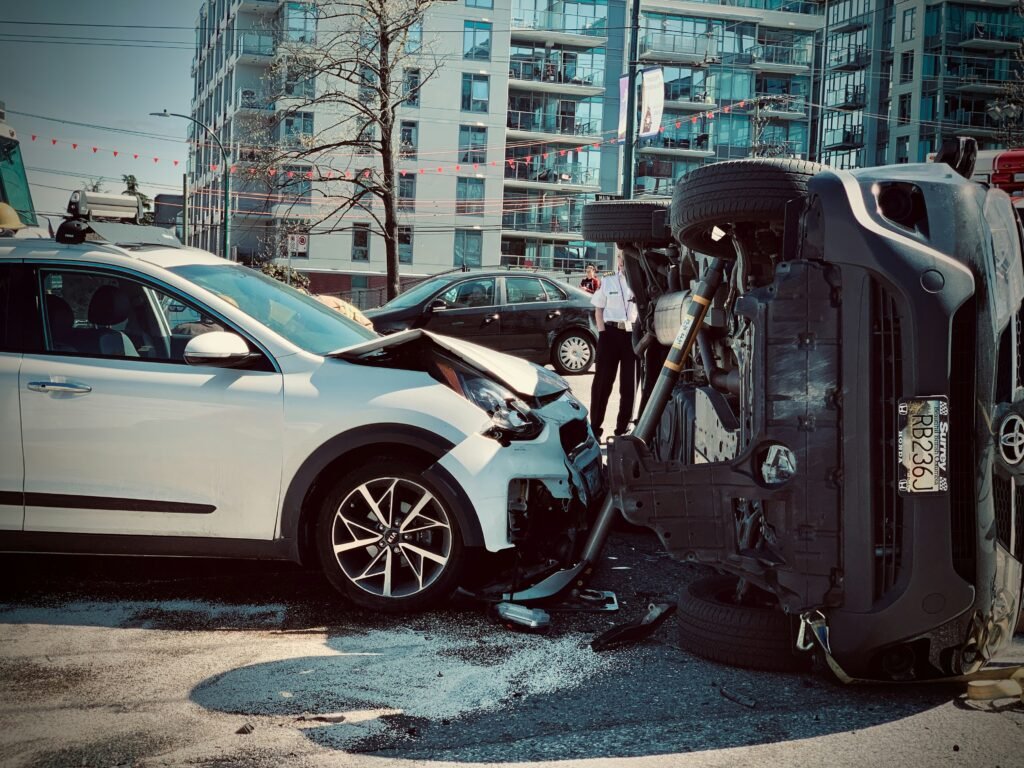
Being injured in an accident is difficult enough without learning that the at-fault driver’s insurer denies coverage. The insurer may acknowledge that a policy existed but argue that it did not cover the driver, vehicle or activity involved in the collision.
A coverage denial does not necessarily mean the injured person has no way to recover compensation. Other insurance policies, responsible parties and legal claims may still be available. The options depend on why coverage was denied, the language of the policies and the law of the state where the accident occurred.
What Does an Insurance Coverage Denial Mean?
A liability insurer ordinarily investigates two separate questions after an accident:
- Whether its insured caused the accident
- Whether the policy covers the accident
These are not the same issue. Evidence may clearly show that the other driver caused the collision, but the insurer may still refuse to pay because it believes the policy does not apply.
A denial may be temporary while the insurer investigates, or it may be a formal decision based on a policy exclusion, cancellation or other coverage issue. The injured person should request the insurer’s position in writing rather than relying solely on a telephone conversation.
Why Would an Insurer Deny Coverage?
When an insurer denies coverage, the explanation often falls into one of several categories.
The Policy Had Lapsed or Been Cancelled
The insurer may claim that the policy ended before the accident because the policyholder failed to pay premiums or requested cancellation.
Whether a cancellation was effective can depend on state notice requirements, the timing of the cancellation and whether the insurer followed the required procedure. Proof that a driver once had insurance does not establish that the policy remained active on the accident date.
The Driver Was Excluded
Some policies identify individuals who are specifically excluded from coverage. An insurer may deny the claim if an excluded person was driving when the accident occurred.
State law can affect whether an exclusion is valid and how it applies. The vehicle owner could also face separate liability for allowing an unsafe or unauthorized person to use the vehicle.
The Driver Did Not Have Permission
Liability policies commonly provide some protection for people who use an insured vehicle with the owner’s permission. However, disputes can arise over whether permission was given and whether the driver exceeded its scope.
An insurer may deny coverage if it believes the vehicle was stolen, taken without consent or used outside the permission granted by the owner.
The Vehicle Was Recently Purchased
A policy may temporarily cover a newly acquired or replacement vehicle, but the requirements vary. The policyholder may have a limited period in which to notify the insurer, and different rules may apply depending on whether the household already insured another vehicle.
The insurer and policyholder may disagree about when the vehicle was acquired, whether notice was timely or whether automatic coverage applied.
The Vehicle Was Used for Business or Ridesharing
A personal automobile policy may exclude certain commercial activities. Coverage disputes are especially common when a driver was delivering food, transporting passengers or performing work when the collision occurred.
The National Association of Insurance Commissioners explains that personal policies may exclude rideshare-related use and that gaps can exist between personal and platform-provided coverage.
A commercial policy, employer policy or rideshare-company policy may apply even if the driver’s personal insurer refuses the claim.
The Driver Misrepresented Important Information
An insurer may attempt to rescind or deny coverage when it believes the policyholder provided inaccurate information while applying for insurance. Examples could include concealing household drivers, providing an incorrect address or misrepresenting how a vehicle would be used.
Whether the alleged misrepresentation permits the insurer to avoid a third party’s injury claim depends heavily on state law.
The Policy Contains a Specific Exclusion
Policies can exclude particular vehicles, drivers, conduct or types of use. An exclusion must be interpreted using the policy language and applicable state law. An insurer cannot necessarily deny a claim merely by referring generally to an exclusion without explaining how it applies.
Is a Coverage Denial the Same as Denying Fault?
No. A liability denial means the insurer believes its driver was not legally responsible for the accident. A coverage denial means the insurer contends that its policy does not pay for the loss, even if the driver was responsible.
This distinction matters because evidence proving fault may not resolve a policy dispute. The injured person may need information about:
- The policy’s effective dates
- The insured vehicles
- Authorized and excluded drivers
- How the vehicle was being used
- Whether another policy applies
- The insurer’s stated reason for denying coverage
Accident reports, photographs and witness statements remain important. Our guide to evidence that helps a personal injury case explains the records that may support fault and damages.
Request the Coverage Decision in Writing
The injured person should ask for a written explanation identifying the reason the insurer denies coverage. Depending on state law and the claimant’s status, the insurer may provide a denial letter describing the relevant facts and policy provisions.
Important questions include:
- Is the insurer denying the entire claim?
- Is it still investigating coverage?
- What exclusion or policy condition does it rely on?
- Does it dispute that the policy was active?
- Does another policy or insurer potentially apply?
- What information could change its decision?
Keep copies of letters, emails, claim numbers and notes from telephone conversations. Do not assume that the first coverage decision is necessarily the last word.
Can the Injured Person Use Uninsured Motorist Coverage?
Uninsured motorist coverage may become important when the responsible driver has no applicable liability insurance. Depending on the policy and state law, a coverage denial by the other insurer may allow the injured person to pursue a claim under their own uninsured motorist protection.
The NAIC’s insurance definitions describe uninsured motorist coverage as protection for bodily injuries caused by an at-fault driver who lacks liability insurance. Underinsured motorist coverage applies when the responsible driver has insurance but its limits are insufficient.
Coverage varies considerably by state and policy. Relevant issues may include:
- Whether uninsured motorist coverage was purchased
- Whether the state requires it to be offered
- Which injured people qualify as insureds
- Whether the insurer must consent before a settlement
- Notice and claim-filing deadlines
- Whether uninsured motorist property-damage coverage applies
A claim against one’s own insurer can still become contested. The insurer may investigate fault, injuries, treatment and the amount of damages.
Could Personal Injury Protection or Medical Payments Help?
Some policies include personal injury protection, commonly called PIP, or medical payments coverage. These are first-party coverages that may help pay certain medical expenses regardless of who caused the collision.
PIP may also cover a portion of lost income or other specified expenses in some states. Medical payments coverage is generally narrower and subject to the purchased limits.
These benefits may provide assistance while the liability-coverage dispute continues. Using them does not automatically resolve who must ultimately pay, and reimbursement or coordination rules may apply.
Can You Sue the At-Fault Driver Personally?
An insurer’s refusal to provide coverage does not eliminate the driver’s potential legal responsibility. An injured person may still bring a personal injury claim against the driver, subject to the applicable statute of limitations.
However, obtaining a judgment and collecting it are different matters. A driver without usable insurance may have limited income or assets. A lawsuit could still be necessary to preserve the claim, establish liability or satisfy requirements connected with uninsured motorist coverage.
The financial position of the defendant should not be assumed without investigation.
Can the Vehicle Owner Be Responsible?
The driver may not be the only potentially responsible party. Depending on state law and the facts, the vehicle owner could face liability under theories such as negligent entrustment, agency or statutes imposing responsibility on owners.
A negligent-entrustment claim may arise when an owner knowingly allows an incompetent, unlicensed or unsafe driver to use a vehicle. Ownership alone does not create liability under every state’s law, so the specific legal basis must be examined.
If the owner has a separate policy, that coverage should also be investigated.
What If the Driver Was Working?
An employer may be responsible when an employee causes an accident while acting within the scope of employment. A commercial automobile policy or general business policy may also provide coverage.
Relevant evidence could include:
- The driver’s work schedule
- Delivery or dispatch records
- Employer instructions
- GPS or application data
- Vehicle-ownership records
- Commercial insurance information
An ordinary commute is often treated differently from travel performed for an employer, but state-specific exceptions may apply.
What If a Rideshare or Delivery App Was Involved?
Coverage can change depending on what the driver was doing within the application. Different insurance may apply when:
- The app was turned off
- The driver was available for a request
- The driver had accepted a trip
- A passenger or delivery was in the vehicle
The injured person should preserve screenshots, receipts, witness information and any evidence showing that the driver was working through a platform. Waiting too long may make electronic records more difficult to obtain.
Can the Insurance Denial Be Challenged?
A coverage decision may be challenged when it rests on incorrect facts, an invalid cancellation, ambiguous policy language or an exclusion that does not apply.
The appropriate process varies. It might involve providing additional evidence, asking the insurer to reconsider, pursuing coverage through another insurer, filing a regulatory complaint or addressing coverage during litigation.
State insurance regulators oversee insurers and accept certain consumer complaints. The NAIC provides access to state insurance department information for consumers who need to identify the appropriate regulator.
A regulatory complaint does not replace a lawsuit or extend a legal deadline. It also may not determine compensation for injuries.
Does a Coverage Denial Mean the Insurer Acted in Bad Faith?
Not automatically. An insurer may have a legitimate disagreement about whether its policy applies. Bad-faith laws vary by state, and third-party claimants do not always have the same rights as policyholders.
A denial may require closer examination if the insurer ignored evidence, misrepresented policy language or failed to conduct an appropriate investigation. Whether those actions create a separate legal claim depends on the jurisdiction and the relationship between the person bringing the claim and the insurer.
What Evidence Should You Preserve?
A coverage dispute can make an already complicated injury claim more difficult. Preserve information about both the accident and the available insurance.
Useful evidence may include:
- The police accident report
- Photographs and videos
- Witness contact information
- Insurance cards and policy details
- Vehicle registration and ownership records
- The written coverage-denial letter
- Communications with every insurer
- Medical records and bills
- Wage-loss documentation
- Rideshare, delivery or employment records
- Receipts for transportation and other accident-related costs
Avoid signing a release until its effect is fully understood. A settlement with one party could affect claims against another party or insurer. Review our guide on accepting the first settlement offer before resolving any portion of the claim.
How Long Do You Have to Act?
Every state imposes deadlines for personal injury lawsuits. Insurance policies may contain additional notice, proof-of-loss, arbitration or claim-filing requirements.
A coverage investigation does not necessarily pause the statute of limitations. Negotiations, regulatory complaints and requests for reconsideration may also leave legal deadlines running.
Claims can take longer when multiple insurers dispute responsibility. The article on how long a personal injury case can take explains some of the other factors that may affect the timeline.
Steps to Take When an Insurer Denies Coverage
After receiving a denial:
- Request the decision and stated reason in writing.
- Preserve the policy information and all communications.
- Notify your own automobile insurer promptly.
- Ask whether uninsured motorist, PIP or medical payments coverage applies.
- Investigate the driver, vehicle owner, employer and any commercial platform involved.
- Continue necessary medical treatment and document your losses.
- Track the applicable insurance and lawsuit deadlines.
- Consider having a lawyer review the denial and available policies.
A coverage denial can change the route a claim takes, but it does not by itself determine whether the injured person is entitled to compensation.
Legal Note: This article provides general information about U.S. personal injury and automobile insurance issues and is not legal advice. Insurance requirements, policy interpretation, bad-faith rules and filing deadlines vary by state. Anyone facing a coverage denial should consult a qualified lawyer licensed in the relevant state about the specific accident and policies involved.