
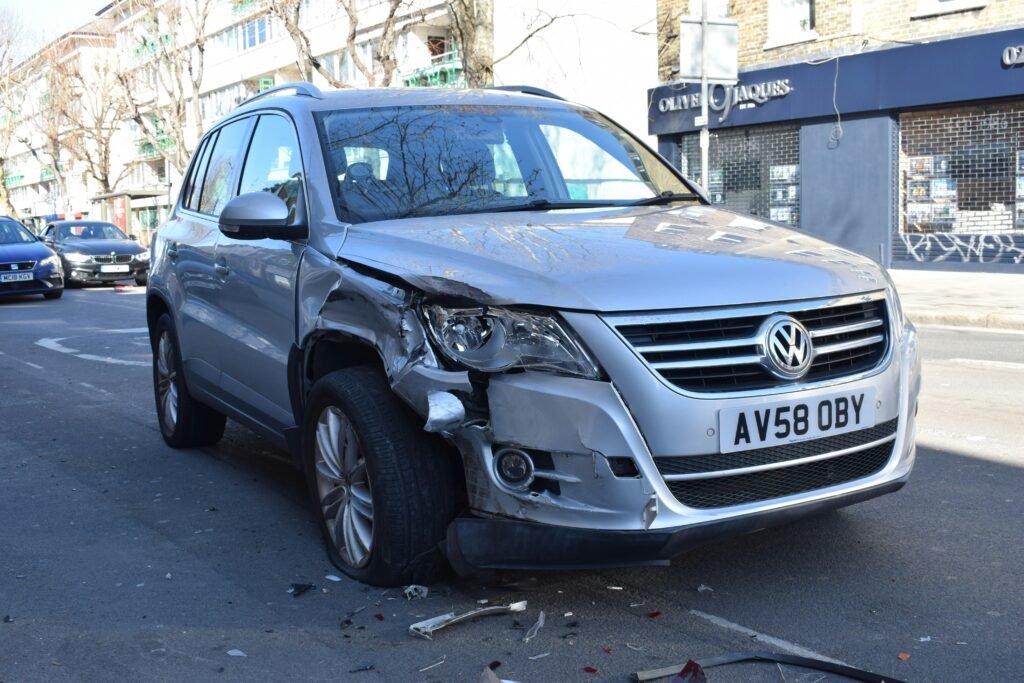
A hit-and-run can leave an injured person facing medical expenses, missed work and vehicle damage without knowing who caused the collision. Even when police cannot immediately identify the driver, a Los Angeles hit-and-run claim may still have several possible paths forward.
The injured person may be able to use uninsured motorist coverage, Medical Payments coverage or collision insurance. Evidence collected soon after the crash could also help investigators identify the vehicle later.
California imposes important reporting and insurance requirements on claims involving unidentified drivers. Delays can make it harder to preserve evidence and may affect the availability of certain insurance benefits.
Report the Hit-and-Run Promptly
Anyone needing emergency assistance should call 911. If no emergency response is required, the accident should still be reported promptly.
The Los Angeles Police Department advises people to report hit-and-run collisions even when no injuries are initially apparent. Its traffic-collision guidance provides information about reporting an accident and contacting the department.
A timely police report creates an official record containing details such as:
- The date, time and location of the collision
- Descriptions of the fleeing driver and vehicle
- Known license-plate characters
- Statements from witnesses
- The direction in which the vehicle traveled
- Visible injuries and property damage
The police report does not automatically establish who was legally responsible. However, it may support an insurance claim and help connect the accident with a vehicle identified later.
California’s 24-Hour Reporting Requirement
Prompt reporting can be particularly important when an injured person intends to make an uninsured motorist claim involving an unidentified vehicle.
California Insurance Code Section 11580.2 contains specific conditions for treating certain unidentified hit-and-run vehicles as uninsured vehicles. These conditions can include reporting the accident to the appropriate law-enforcement agency within 24 hours.
Depending on where the accident occurred, the report may need to be made to the city police department, county sheriff or local California Highway Patrol office.
Because the statutory timeline is short, an injured person should not wait for an insurance adjuster to decide whether a police report is necessary. Reporting the collision as soon as reasonably possible also gives investigators a better opportunity to locate witnesses and surveillance footage.
The Separate DMV Accident Report
Reporting a collision to the police does not necessarily satisfy California’s separate DMV reporting rules.
The California DMV requires an SR-1 report within 10 days when anyone is injured or killed or when property damage exceeds $1,000. This requirement applies regardless of who caused the accident.
The California DMV accident-reporting page explains that the SR-1 is required in addition to reports made to law enforcement or an insurance company.
Filing an SR-1 does not start an insurance claim or ask the DMV to decide fault. It allows the DMV to determine whether the drivers involved met California’s financial-responsibility requirements.
Evidence That May Identify the Driver
A driver who escapes the scene may still be identified through evidence located nearby. Los Angeles streets, businesses, apartment buildings and parking facilities frequently have cameras, but recordings may be overwritten quickly.
Useful evidence may include:
- Dashboard-camera recordings
- Traffic or intersection video
- Security footage from nearby businesses
- Residential doorbell-camera recordings
- Parking-garage entry records
- Photographs taken by witnesses
- Broken vehicle components
- Paint transferred during the collision
- Partial license-plate information
- Rideshare, delivery or commercial-vehicle markings
Witnesses should be asked for their names and reliable contact information. A brief description given at the scene may be less useful if the witness cannot be located later.
Photographs should document the entire scene, not only the most obvious vehicle damage. Road debris, tire marks, traffic signs, lane positions and nearby cameras may become important during an investigation.
Preserving Surveillance Footage
A business may not voluntarily provide its security footage to an accident victim. Nevertheless, the business can be asked to preserve the recording while the appropriate process for obtaining it is determined.
A preservation request should identify the approximate time, date and location of the collision. It should also explain which camera may have captured the accident or fleeing vehicle.
Footage may exist at locations that did not record the impact itself. A camera several blocks away could show the damaged vehicle leaving the area, reveal additional license-plate characters or establish its direction of travel.
When serious injuries are involved, an attorney may use subpoenas or other legal procedures to seek relevant recordings and records. Acting quickly is important because many surveillance systems automatically delete older files.
Uninsured Motorist Bodily Injury Coverage
If the responsible driver remains unidentified, the injured person may be able to make a claim through uninsured motorist bodily injury coverage.
California insurers generally must offer uninsured motorist coverage with an automobile liability policy, although a policyholder may reject or reduce the coverage through the required agreement. The declarations page and complete policy should be reviewed to determine whether the coverage was in effect on the accident date.
The California Department of Insurance automobile guide explains the basic differences between uninsured motorist, underinsured motorist, Medical Payments and collision coverage.
Uninsured motorist bodily injury coverage may compensate an insured person for covered losses such as medical expenses, lost earnings, pain and suffering, and other legally recoverable damages. Policy limits and exclusions still apply.
Although the claim is submitted to the injured person’s insurer, the company may investigate fault, medical causation and the value of the injuries. The insurer does not automatically accept every amount requested.
Physical Contact Can Be Critical
California’s rules for unidentified hit-and-run vehicles generally require physical contact between the unidentified vehicle and the insured person or occupied vehicle for an uninsured motorist bodily injury claim.
This can create difficulties in a “miss-and-run” accident. For example, an unidentified driver may force another motorist off the road without the two vehicles touching. The second vehicle may then strike a barrier or another object.
Even when the unidentified driver appears responsible, the absence of physical contact may become a major coverage issue under California’s uninsured motorist statute.
Physical contact is not always limited to a direct impact between two complete vehicles. Cases involving detached vehicle parts, objects carried by a vehicle or a chain of impacts can require closer legal and factual analysis.
Photographs, physical debris and witness statements may help establish whether qualifying contact occurred.
Notice to the Insurance Company
A police report is not the same as notifying an insurer. The accident should also be reported to the potentially applicable insurance company without unnecessary delay.
California law imposes additional requirements for certain claims involving unidentified drivers, including a sworn statement to the insurer within a limited period. The complete policy may impose other notice, cooperation and proof-of-loss requirements.
When reporting the claim, the injured person should provide truthful facts but avoid speculating about details they do not know. It is reasonable to say that an answer is unknown or that an injury is still being evaluated.
The insurer may request:
- A recorded or written statement
- Medical records and bills
- Wage-loss documentation
- Photographs and repair estimates
- The police report number
- Witness information
- Proof of insurance and residency
- An examination under oath
Missing a requested document does not necessarily determine the entire claim, but failing to cooperate can create additional disputes. Important communications should be kept in writing whenever possible.
Coverage for Pedestrians and Cyclists
Uninsured motorist protection is not necessarily limited to someone occupying the insured vehicle.
Depending on the policy and the person’s insured status, coverage may apply when the insured is struck while walking, cycling or occupying another vehicle. Household relationships and residency can become important when determining who qualifies as an insured.
For example, an injured pedestrian may have potential coverage under:
- Their own automobile policy
- A resident spouse’s policy
- A parent’s household policy
- A policy covering the vehicle they occupied
- An employer or commercial policy in work-related circumstances
Coverage should be confirmed through the actual policies. The absence of an insurance card at the scene does not establish that no applicable policy exists.
Medical Payments Coverage
Medical Payments coverage, often called MedPay, may help cover qualifying medical expenses regardless of who caused the accident.
This coverage can be useful while a hit-and-run investigation or uninsured motorist claim remains unresolved. It may have relatively modest limits, and it does not ordinarily provide compensation for every category of loss associated with an injury claim.
An insurer may later assert reimbursement or coordination rights, depending on the policy and the resolution of other claims. For that reason, the source and purpose of every insurance payment should be documented.
Vehicle Repairs When the Driver Is Unknown
Uninsured motorist bodily injury coverage and vehicle-damage coverage are not the same.
California uninsured motorist property damage coverage generally applies only when the uninsured driver is identified. Therefore, it may not pay when both the driver and vehicle remain unknown.
Collision coverage may provide another route for repairing or replacing an insured vehicle, subject to the deductible and policy terms. The insurer may later pursue the responsible driver if investigators identify that person.
An owner should photograph the damage and ask the insurer whether an inspection is required before repairs begin. Disposing of damaged parts too quickly could eliminate evidence relevant to identifying the fleeing vehicle or proving physical contact.
What Happens If Police Close the Investigation?
The closure or inactivity of a police investigation does not automatically end an insurance claim.
Law enforcement investigates possible criminal violations and attempts to identify the fleeing driver. An insurance claim focuses on whether the policy covers the accident and the amount of the insured person’s recoverable losses.
A claimant may still need to demonstrate:
- That the collision occurred as reported
- That an unidentified driver was legally responsible
- That physical contact occurred when required
- That the accident caused the claimed injuries
- That reporting and policy conditions were satisfied
- The value of the resulting damages
An insurer may conduct its own investigation even if law enforcement never identifies a suspect.
When the Driver Is Identified Later
New evidence may identify the driver days or months after the accident. That discovery can change the available claims and insurance issues.
The driver’s liability insurer may become a potential source of compensation. If the driver was working, making deliveries or providing rideshare services, an employer or commercial policy might also need to be investigated.
The responsible insurer could still dispute whether its policy covered the driver. TCL’s guide to what happens when an at-fault driver’s insurer denies coverage explains why a denial does not always mean that every possible recovery option has disappeared.
Identifying the driver can also affect an uninsured motorist claim. The injured person should inform their insurer when material new information becomes available.
Delayed Injuries After a Hit-and-Run
Not every injury produces immediate or dramatic symptoms. Pain, stiffness, headaches, numbness or concentration problems may become more noticeable after the initial stress of the collision has passed.
An injured person should seek appropriate medical attention based on their symptoms rather than waiting to see whether the driver is found. Medical records can document the reported symptoms, clinical findings, treatment recommendations and relationship between the condition and the collision.
Long gaps in treatment may give an insurer grounds to argue that the injury was minor, unrelated or caused by something else. However, each person’s medical circumstances are different, and treatment decisions should be made with a qualified healthcare professional.
Damages in an Unidentified-Driver Claim
A Los Angeles hit-and-run claim may involve more than emergency medical bills. Depending on the evidence and applicable coverage, recoverable losses may include:
- Past and anticipated medical expenses
- Lost wages
- Reduced earning ability
- Pain and suffering
- Disability or physical limitations
- Vehicle damage
- Other accident-related expenses
The seriousness of the impact does not by itself determine the claim’s value. Medical evidence, duration of symptoms, effect on daily life, available insurance and disputes over fault can all influence the evaluation.
TCL’s explanation of how a personal injury settlement is calculated provides additional context about the factors commonly considered.
How a Lawyer May Assist With the Claim
A Los Angeles personal injury lawyer may investigate the accident independently from law enforcement and the insurance company.
Depending on the circumstances, legal work may include locating witnesses, requesting the preservation of surveillance footage, analyzing policy language, documenting injuries, communicating with adjusters and addressing disputes about physical contact or compliance with reporting requirements.
Legal assistance may be especially relevant when:
- The injuries are serious or permanent
- The insurer denies uninsured motorist coverage
- There is a dispute about physical contact
- Several household or commercial policies may apply
- The claimant missed a reporting deadline
- The insurer challenges medical causation
- The available coverage is unclear
- A settlement or release has been proposed
The appropriate strategy depends on the individual accident, insurance contract and evidence.
Legal Note: This article provides general information about Los Angeles hit-and-run claims and California automobile insurance. It is not legal advice and does not create an attorney-client relationship. Reporting duties, filing deadlines and insurance rights depend on the facts and applicable policy language. Anyone facing an injury, disputed coverage or an approaching deadline should consider obtaining advice from a qualified California attorney.