
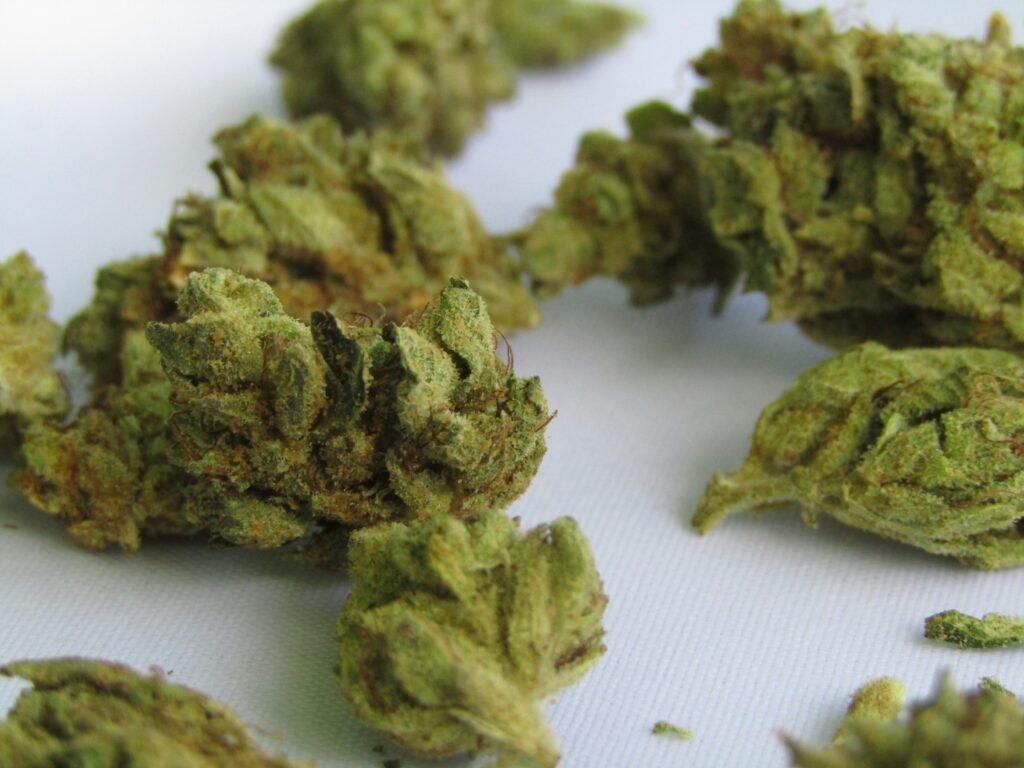
Houston marijuana arrests can surprise people who have heard that Harris County offers diversion for misdemeanor possession. The program exists, but it does not make possession legal or guarantee an offer to everyone stopped with marijuana.
If you were arrested without being offered diversion, the charging documents and details of the stop matter more than a general description of the program. They show what offense was alleged, which agency handled the encounter and whether another circumstance may have affected eligibility.
Start With the Charge
Under Texas Health and Safety Code section 481.121, possession of two ounces or less of marijuana is generally a Class B misdemeanor. Possession of more than two ounces but no more than four ounces is generally a Class A misdemeanor. Larger amounts can result in felony charges.
Harris County’s marijuana diversion program addresses Class A and Class B possession cases. Check the charge actually filed: an allegation involving delivery, a different substance or an additional offense may change the analysis. What an officer said at the scene may not match the final charging paperwork.
What Harris County Diversion Offers
The Harris County District Attorney’s Office describes its Misdemeanor Marijuana Diversion Program as a pre-charge process involving prosecutors and local law enforcement. Qualified participants complete an online education program. According to the DA, successful completion means they will not have an arrest or charge record for that marijuana-possession incident.
The pre-charge timing is important. If a case has already been filed, a person should not assume that signing up online will cancel the charge or a scheduled court appearance. Their options must be evaluated at the stage the case has reached.
Why Houston Marijuana Arrests May Proceed Without Diversion
The DA’s published criteria include people age 17 or older detained or arrested for Class A or Class B marijuana possession who have sufficient identifying information and no additional charges from the incident other than Class C misdemeanors.
Its listed exclusions include certain existing bonds, probation or deferred-adjudication situations; possession of a concealed handgun along with marijuana; possession in a correctional facility; and current participation in the program. An old case does not necessarily amount to a current disqualifying condition—the person’s actual case status matters.
The agency involved also matters when reviewing what happened during a stop. The Harris County Sheriff’s Office publishes diversion procedures for its deputies. Those procedures should not be assumed to describe how every other agency conducts a stop in Houston.
An arrest alone does not establish why an offer was not made. The reports and case records may identify an exclusion, a different alleged offense or a question that needs further investigation.
Review the Evidence, Not Just the Program Rules
Diversion eligibility is separate from whether prosecutors can prove possession. The defense may need to examine the reason for the stop, the search, the identity of the substance and the evidence connecting it to the accused person.
For example, marijuana found in a shared car presents different factual questions from marijuana found in someone’s clothing. The location matters, but it does not decide the case by itself. Police reports, available video and other evidence may clarify who had access to the area and what each person said or did.
If another charge arose from the same encounter, it needs its own review. It may affect diversion eligibility while also presenting separate legal and factual issues.
What to Preserve After an Arrest
Keep the charging documents, bond paperwork and court-date notice. Write down what you remember about the stop while it is fresh, including which agency was involved, where officers found the substance and whether anyone else had access to that location.
Preserve relevant messages, receipts or other records without changing or deleting them. Do not miss a court appearance because you believe diversion should have been offered; the pending case and any bond conditions still require attention.
When to Contact a Lawyer
Consider contacting a Houston criminal defense lawyer promptly if you were charged after expecting diversion, if the paperwork alleges more than simple possession, or if you do not understand why another case may have affected eligibility. Legal advice is also important before making decisions about a filed case or discussing its facts with investigators.
A lawyer can compare the encounter with the DA’s published criteria, review the evidence supporting the charge and explain what options remain available. A question about diversion should be investigated alongside—not in place of—the defense to the criminal allegation.
For related coverage, browse TCL’s criminal defense articles.
Note: This article provides general information about Texas law and Harris County’s published marijuana diversion program. It is not legal advice. Program procedures may change, and the options in an individual case depend on its facts and current status.