
Sharing a ride to work can seem straightforward until a collision leaves a passenger needing treatment or unable to earn an income. The driver may have insurance, but that does not answer every question about the passenger’s benefits.
Toronto carpool injuries require a careful look at the accident date, the available policies, and the passenger’s relationship to each policy. Ontario’s July 2026 changes make that review especially important for people travelling with colleagues or friends.
What Changed for Ontario Accident Benefits?
Effective July 1, 2026, medical, rehabilitation, and attendant care benefits remain mandatory, while other accident benefits, including income replacement, become optional. FSRA states that the reforms apply to existing customers as well as new customers.
These benefits serve different purposes. Treatment funding does not establish that payments will also be available for missed work, household help, or caregiving responsibilities.
A passenger who does not own a vehicle or have a personal auto policy may still be eligible for medical, rehabilitation, and attendant care benefits. However, entitlement and payment remain subject to the applicable rules and limits.
Start by identifying the particular benefit needed. A question about physiotherapy costs can have a different answer from a question about replacing wages.
Why the Driver’s Optional Benefits May Not Cover a Passenger
The optional-benefit provisions identify specific covered people: the named insured, their spouse, dependants of the named insured or spouse, and people specified in the policy as drivers of the insured vehicle.
For an ordinary private carpool, being an unrelated colleague in the passenger seat does not, by itself, place someone in one of those categories.
Consider a hypothetical passenger named Maya. Her colleague has income replacement coverage, but Maya is neither a listed driver nor a qualifying family member under that policy. She cannot assume the colleague’s optional coverage protects her.
Maya might nevertheless have relevant coverage through her own policy or another policy under which she qualifies. The investigation should therefore extend beyond the vehicle involved in the crash.
Check Every Potentially Relevant Policy
Gather the insurance information available on the accident date. Your own vehicle may have been parked at home, yet your status under its policy can still matter.
Ask about policies under which you are a named insured or listed driver, and policies connected to a spouse or a qualifying dependency relationship. Sharing an address or being related to a policyholder does not, on its own, settle eligibility.
Useful documents include:
| Document | What to check |
|---|---|
| Certificate of Automobile Insurance | Named insured, listed drivers, benefit selections, and limits. |
| Optional-benefit endorsement | Which benefits were included or declined. |
| Renewal package | Coverage carried forward and the effective date. |
| Written coverage changes | What was changed, when, and with whose agreement. |
| Claim correspondence | The insurer’s explanation of your eligibility. |
Ontario’s OPCF 47R endorsement can allow eligible people to claim mandatory and purchased optional benefits under the same policy despite the usual insurer-priority rules. It includes an agreement to proceed under that policy and give up maintaining an accident-benefits claim under another policy.
Because this choice can affect the claim, obtain advice before making an election where several policies may apply.
Review Renewal Protection Alongside Passenger Eligibility
The reforms do not mean every existing policyholder automatically lost previously held benefits.
The Statutory Accident Benefits Schedule provides that, on renewal from July 1, 2026, specified previous benefits continue as optional benefits at their previous amounts unless the named insured and insurer agree in writing to decline or change them. That continuation is subject to the rules identifying eligible people.
Ask two separate questions: did the benefit remain in the policy, and are you a person entitled to claim it?
Request the documents effective when the collision happened. A current renewal certificate may describe coverage that began afterward. If the accident occurred before July 1, 2026, earlier rules may govern the claim.
Start the Application Process Promptly
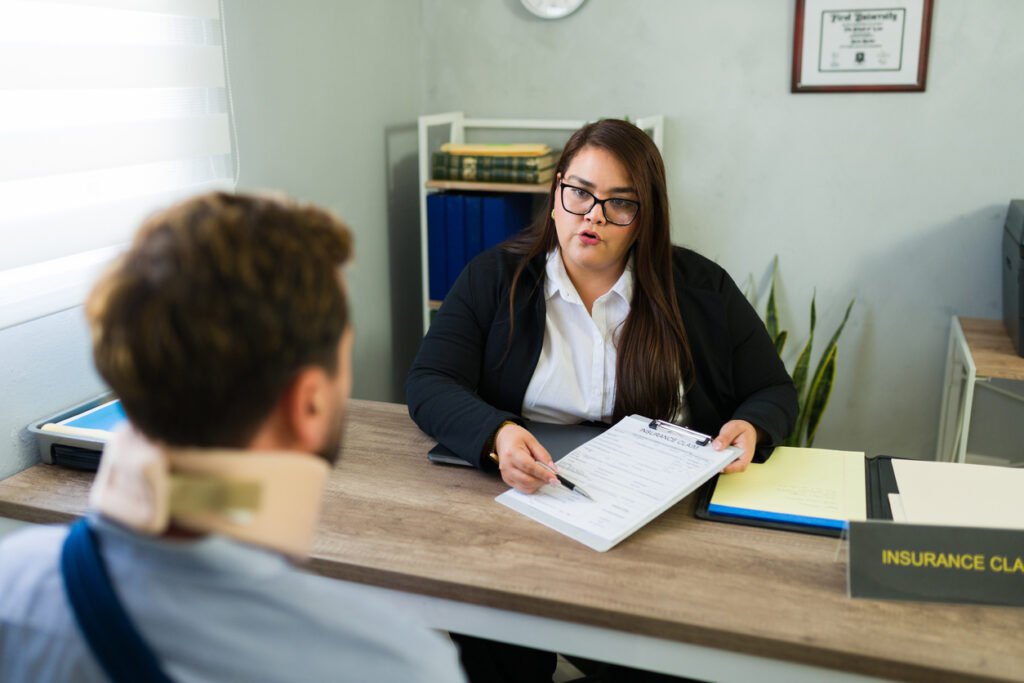
Tell the insurer that you were an injured passenger and intend to claim accident benefits. Provide the driver’s details, vehicle information, collision date, and any other policies that may be relevant.
The Ontario Automobile Policy generally requires notice within seven days of the accident, or as soon afterward as possible, and a completed accident-benefits application within 30 days of receiving it.
Keep the application, supporting documents, and proof of submission. Record the claim number and the contact responsible for the file.
If the insurers disagree about which policy should respond, ask for their positions in writing and seek help promptly. Do not allow unanswered routing questions to leave the application unattended.
If a deadline has already passed, obtain advice about the circumstances and any available relief rather than assuming the claim is necessarily finished.
Show How the Injury Affects Your Work
Where income replacement coverage is available, the insurer still needs evidence supporting entitlement. A missed shift alone does not explain the medical reason or the extent of the loss.
Give your treating provider an accurate description of your work. Relevant duties might include lifting, prolonged sitting, driving between sites, standing through a shift, or concentrating on detailed tasks.
Keep employment records showing your usual schedule, earnings, missed hours, and any modified duties offered. Self-employed passengers should preserve invoices, business records, and evidence of work affected by the injury.
Distinguish an injury-related inability to perform duties from difficulty finding another ride. Both can disrupt employment, but they raise different questions.
Also disclose sick pay, disability payments, or other benefits received so the applicable coordination rules can be assessed. Keep a dated record of payments instead of relying on memory.
Record How the Carpool Was Arranged
Preserve messages about pickup arrangements, the route, who was driving, and any shared expenses. If the carpool rotates drivers, note whose vehicle was used that day.
Explain whether the trip was privately arranged or connected to employer instructions. Keep relevant expense submissions or messages about travelling between work locations.
WSIB generally distinguishes ordinary commuting from travel in the course of employment. Exceptions can include employer-controlled transportation or travel on company business, so employment involvement deserves a separate assessment.
For the collision itself, keep witness details, available photographs, and relevant messages. Seek medical assessment for injuries and retain treatment records.
The Top City Lawyers guide to evidence that can support a personal injury claim explains how these materials can help establish what happened and the resulting losses.
A Claim Against a Responsible Driver Is a Separate Issue
Accident benefits may be available regardless of who caused the collision. A separate claim against a responsible driver concerns liability for the injuries and losses caused by the crash.
A gap in optional benefits does not decide whether another person was negligent. Likewise, fault for the collision does not establish entitlement to every accident benefit.
A lawyer can assess potential defendants, recoverable losses, applicable restrictions, and the relationship between benefits and a civil claim. This can be particularly sensitive when the driver is a colleague or friend, but the legal assessment should remain grounded in the collision evidence.
If the Insurer Denies or Stops Benefits
Ask for a written decision identifying the benefit, the reason for refusal, and the policy or legal provision relied on. A coverage dispute needs a different response from a disagreement about medical evidence or the amount payable.
The Licence Appeal Tribunal’s Automobile Accident Benefits Service handles disputes about entitlement to accident benefits or their amount. It does not decide fault, pain-and-suffering damages, or which insurer has priority.
Tribunals Ontario generally requires an application within two years of the insurer’s denial. Extensions may sometimes be available, but delay can jeopardize the application. Have the relevant dates assessed rather than assuming continued correspondence preserves the deadline.
When to Contact a Lawyer
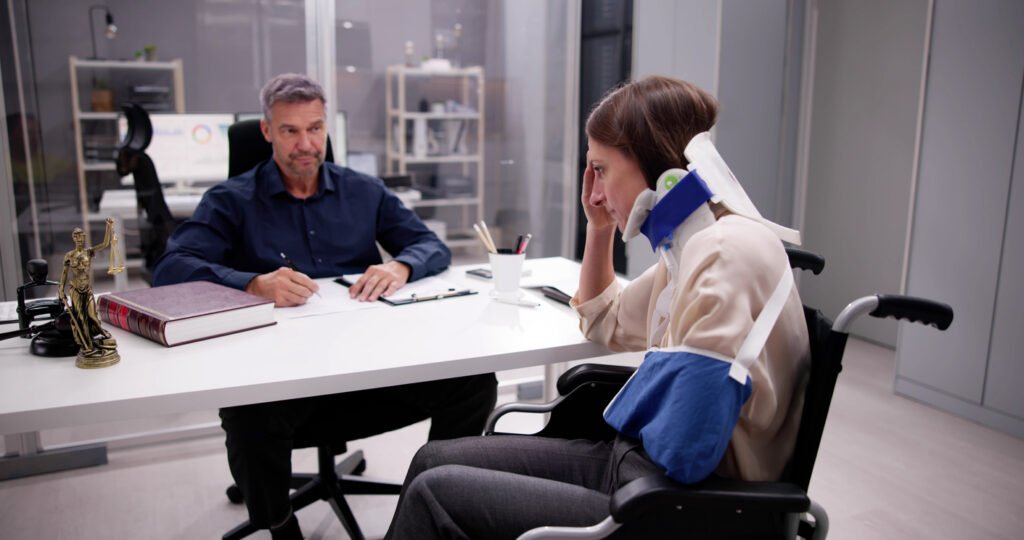
Consider contacting a Toronto personal injury lawyer when optional coverage is disputed, several insurers are involved, a serious injury affects earning capacity, or the trip may involve workplace coverage.
Bring the policies you can obtain, the application and denial letters, your medical records, and a short timeline. Identify any approaching deadlines.
A lawyer can compare the available coverage, address eligibility questions, and assess whether a benefits dispute, civil claim, or workplace process is appropriate. Ask how the retainer and fees apply to each part of the matter.
Note: This article provides general information about Ontario carpool injury claims and is not legal advice. Coverage depends on the accident date, policy terms, insured status, and applicable law. For official guidance, see FSRA’s explanation of the accident claims process.