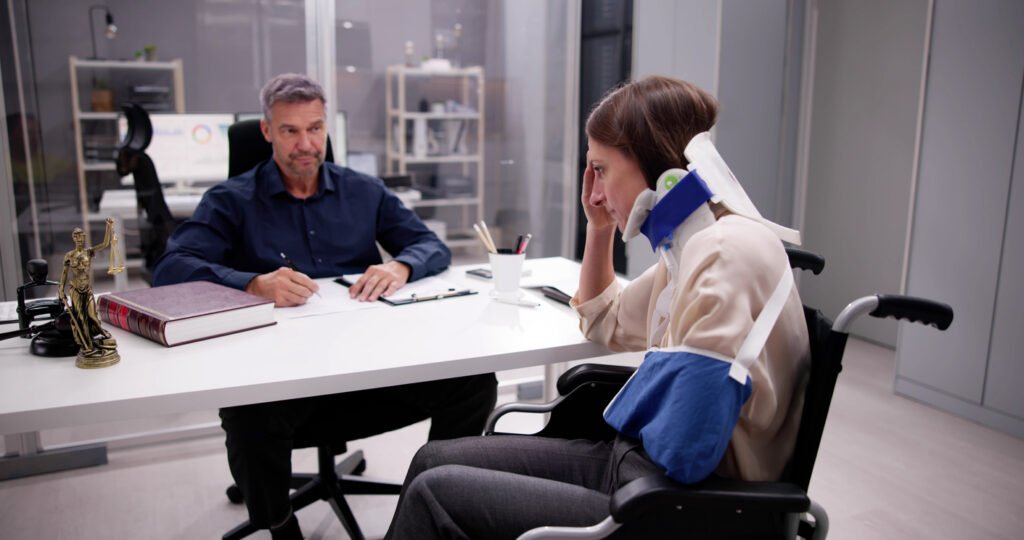

A patient may enter a Toronto hospital for an operation and later notice weakness, numbness, or pain in a limb that was not the main focus of treatment. Understanding what happened can require a review of how the patient was supported and positioned throughout surgery.
Toronto surgery positioning claims involve questions about precautions, the cause of the nerve injury, and its effect on daily life. The starting point is a clear clinical assessment supported by records from before, during, and after the procedure.
How Positioning Can Affect Nerves
During general anaesthesia, a patient cannot feel pressure and shift position to relieve it. Certain positions, supports, and surgical equipment can stretch or compress peripheral nerves, which carry signals to and from the limbs.
The Royal College of Anaesthetists explains that nerve damage can also result from direct surgical injury or disruption of the blood supply. This means that symptoms appearing after an operation do not identify the cause by themselves.
Report unexpected weakness, numbness, or pain to the treating team promptly. Ask what assessment is needed and which changes require urgent attention. Clinical care should proceed while any questions about the operation are investigated.
Which Positioning Precautions Need Review?
A review may examine the choice of position, limb supports, padding, equipment contact, and any changes made during the operation. The Canadian Medical Protective Association identifies patient mispositioning among factors associated with severe harm in its orthopedic surgery case analysis.
Useful questions include:
- What position was required for the procedure?
- Were existing movement restrictions or nerve symptoms identified beforehand?
- How were the arms, legs, and pressure points supported?
- Did the procedure or equipment setup change after positioning?
- What checks or adjustments were recorded?
Some health conditions, including diabetes and vascular disease, can increase vulnerability to nerve injury. These factors belong in the assessment of the precautions appropriate for the individual patient.
Procedure length is another detail to establish accurately. A longer operation does not, on its own, show that positioning was improper.
What Must Be Proven in a Medical Malpractice Claim?
In Ontario, a negligence claim generally requires proof of a duty of care, a breach of the applicable standard, injury, and a causal connection between the breach and the harm.
The care is assessed against what a reasonably competent practitioner with similar training would have done in comparable circumstances at the time. Expert evidence commonly addresses both the standard of care and causation. An adverse outcome alone does not establish negligence.
For example, a hypothetical patient might develop hand weakness following an abdominal operation. A legal review would need to determine what caused the weakness, whether the relevant precautions were reasonable, and whether a proven lapse probably caused the injury.
The fact that the hand was outside the surgical site may help frame the investigation, but it does not answer those questions.
Request Records From the Entire Surgical Visit
A discharge summary may contain little detail about positioning. Records created by different members of the care team can help reconstruct the procedure and early recovery.
Depending on what was created during the admission, relevant records may include:
| Record | What it may help establish |
|---|---|
| Preoperative assessment | Existing symptoms, movement limitations, and relevant health conditions. |
| Operative report | Procedure performed, patient position, complications, and protective measures described by the surgeon. |
| Anaesthesia record | Anaesthetic technique, observations, timing, and documented events or interventions. |
| Operating-room nursing notes | Supports, equipment, positioning details, and recorded changes. |
| Recovery-room observations | Early complaints, examination findings, and the response to them. |
| Later specialist reports | Diagnosis, investigations, treatment, and progress. |
CMPA documentation guidance specifically identifies patient positioning and efforts to protect important structures as information generally included in operative notes.
Request records using the hospital name, procedure date, and relevant admission period. Specify the types of documents needed rather than asking only for the surgeon’s report.
A patient portal may not display everything. University Health Network states that some records are not viewable in myUHN and can be requested through Health Records. Other Toronto hospitals have their own request procedures.
Build a Timeline of Symptoms and Clinical Responses
Write down when symptoms were first noticed and how they changed. Be precise about the affected side and the activities that became difficult.
For example, “I could not lift my right foot when first walking to the bathroom” is more informative than “my leg felt wrong.” Record whether the problem was present immediately, emerged later, or became clearer as you resumed normal activities.
Include the date and approximate time of each report to the care team, who received it, and what happened next. Keep copies of portal messages, discharge instructions, appointment notices, and referrals.
If you received a regional nerve block, tell the clinician reviewing the symptoms. The block and any other anaesthetic techniques should be considered when interpreting changes in sensation or strength; nerve injury has several possible causes.
Separate personal recollection from information supplied by someone else. A family member can record what they observed without trying to explain the medical cause.
Treat Missing or Generic Notes Carefully
An entry such as “positioned safely” may leave unanswered questions about the actual supports or checks used. Ask whether more detailed information appears elsewhere in the chart.
The CPSO’s medical documentation policy requires records to be accurate, sufficiently complete, and organized. It also requires physicians to check that template entries accurately reflect the encounter.
An omission deserves investigation, but it does not automatically prove that a precaution was skipped. The significance of a gap depends on the other records, witness evidence, and expert assessment.
Preserve documents in the form received. If something appears incorrect, keep a separate explanation and use the hospital’s correction process rather than changing the original file.
Document the Effect on Work and Daily Life
A diagnosis does not capture every consequence of an injury. Keep practical records showing how the symptoms affect ordinary tasks.
Useful examples include missed shifts, reduced hours, difficulty typing, problems fastening clothing, or needing help with shopping and household work. Note improvements as well as setbacks so the record remains balanced.
Retain receipts for treatment, medication, transportation, equipment, and paid assistance. Keep employment records that show actual income changes, and record who provided unpaid help and what they did.
Avoid estimating permanent limitations before the medical outlook is clear. Ongoing clinical assessments can help distinguish current difficulties from expected future needs.
For broader guidance on organizing supporting material, see what evidence helps support a personal injury claim.
Understand Complaint Options and Legal Deadlines
A hospital’s patient relations office can receive concerns about care. A complaint to the College of Physicians and Surgeons of Ontario addresses professional conduct, but CPSO cannot award financial damages. A compensation claim requires a separate legal assessment.
Ontario generally has a two-year basic limitation period running from discovery of a claim. Determining discovery can be fact-specific, and exceptions may apply. Do not assume the deadline begins only when every record has arrived or a specialist gives a final opinion.
Ask a lawyer to assess the deadline early, including while a complaint or records request remains outstanding.
When to Contact a Lawyer
Consider contacting a Toronto medical malpractice lawyer when symptoms persist, affect work or independence, or remain unexplained after clinical follow-up.
Bring a short timeline, the records already available, earlier information about similar symptoms, and documents showing financial or practical losses. You do not need to assemble a complete hospital chart before making an initial inquiry.
A lawyer can identify which professionals’ roles need examination, arrange appropriate expert review, and explain the evidence needed to connect a specific lapse in care to the injury. The consultation can also address investigation costs and the practical merits of pursuing a claim.
Note: This article provides general information about medical malpractice in Ontario and is not medical or legal advice. Individual circumstances and limitation periods require professional assessment. For a Toronto hospital records resource, see UHN’s guidance on accessing health records.